
by Kevin Lewis | Aug 26, 2026 | Uncategorized
Scalable Vector Graphics, better known as SVGs, have become essential for modern design. From website icons and logos to illustrations, app interfaces, and social media assets, SVG files deliver crisp quality at any size without the heavy file weight often associated with raster images. Yet for many creators, editing vector graphics still feels more complex than it should be. The good news is that SVG editing has become far more accessible. Today, powerful tools make it easier for designers, marketers, developers, and small business owners to create polished visuals without a steep learning curve.
As digital content demands continue to grow, simple and efficient SVG workflows matter more than ever. Teams need graphics that load quickly, adapt across devices, and remain easy to update. With the right editor and a clear understanding of what makes SVG so useful, creators can work faster while maintaining professional quality. SVG editing no longer belongs only to advanced design specialists; it is now a practical skill for anyone building a visual presence online.
Why SVG Matters for Modern Creators
SVG stands out because it is built on vector paths rather than pixels. That means images can scale up or down without becoming blurry. For brands and businesses, this is especially valuable. A single SVG logo can appear on a mobile screen, a desktop header, or a large presentation slide while staying perfectly sharp. This flexibility reduces the need to maintain multiple file sizes and makes asset management much simpler.
Performance is another major advantage. SVG files are often lightweight, which can help improve website speed and user experience. Faster-loading pages support both engagement and search visibility, making SVG an SEO-friendly choice for web graphics. In addition, SVG files can be edited directly, animated in many environments, and integrated smoothly into modern digital products.
Creators also appreciate the control SVG provides. Colors, shapes, strokes, and layers can all be refined without damaging image quality. Whether the goal is a clean icon set, an editable infographic, or a responsive illustration, SVG offers a flexible foundation that fits a wide range of projects.
What Makes an SVG Editor Truly Powerful
A strong SVG editor should balance simplicity with depth. Beginners need an interface that feels intuitive, while experienced users want precise control over shapes, alignment, paths, and styling. The best tools make common tasks feel fast: resizing elements, changing colors, editing text, grouping objects, and exporting clean files. When these basics are frictionless, creators can focus on design rather than troubleshooting.
Ease of access also matters. Browser-based options are especially appealing because they remove installation barriers and let teams work from almost anywhere. For users who want a straightforward way to modify vector files, an online tool such as Editor svg can support quick edits and visual refinement without overcomplicating the process. This kind of accessibility is valuable for both solo creators and collaborative teams working under tight deadlines.
When evaluating SVG tools, creators should look for several practical capabilities:
- Precision editing: clean shape manipulation, path control, snapping, and alignment tools.
- Style flexibility: easy adjustment of fills, strokes, opacity, and gradients.
- Text support: reliable handling of typography for labels, logos, and interface elements.
- Import and export options: compatibility with SVG and other commonly used file types.
- User-friendly workflow: a clear layout that reduces the learning curve.
Powerful does not have to mean complicated. In many cases, the most useful editor is the one that helps creators move from idea to finished asset quickly and confidently.
How Simple SVG Editing Improves Creative Workflow
Efficient SVG editing saves time at every stage of production. Instead of recreating graphics for different screen sizes, creators can build once and adapt as needed. A designer may update a brand icon for a landing page, then reuse the same file in email graphics, mobile UI, and print mockups. Because SVG remains crisp and editable, revisions are far easier than they would be with static image formats.
This simplicity is especially important for teams that work across disciplines. Developers benefit from clean, scalable assets that integrate smoothly into websites and applications. Marketers gain flexible visuals for campaigns and social posts. Product teams can maintain consistency across interfaces. Even non-designers can make small adjustments when tools are approachable enough to support independent editing.
A simple SVG workflow often includes a few core habits:
- Start with a clear structure by organizing elements logically.
- Use consistent colors and stroke widths to maintain visual harmony.
- Keep shapes clean and avoid unnecessary complexity that can increase file size.
- Review the asset at multiple sizes to ensure readability and balance.
- Export thoughtfully for the intended platform or screen context.
These small practices help creators produce assets that are not only attractive, but also functional. Good SVG editing is not just about appearance; it is about making visuals easier to reuse, adapt, and maintain over time.
Best Use Cases for Everyday SVG Creation
One reason SVG editing has become so important is its broad usefulness. Logos are perhaps the most obvious example, since brands need artwork that looks perfect everywhere. But SVG goes far beyond logos. Interface icons, data visualizations, presentation graphics, badges, diagrams, and product illustrations all benefit from vector-based flexibility.
For web design, SVG is particularly effective in navigation icons, hero illustrations, and interactive elements where clarity and speed matter. In content marketing, teams can use SVG to create infographics and branded visual assets that remain sharp on both desktop and mobile devices. For e-commerce brands, editable SVG badges, size guides, and promotional elements can streamline seasonal updates without requiring a complete redesign.
SVG is also an excellent format for creators building reusable asset libraries. Once a collection of icons, symbols, or decorative elements is created, it can be updated and repurposed repeatedly. This improves brand consistency and reduces long-term design effort. As visual communication becomes more central to digital strategy, reusable vector content gives creators a measurable advantage.
Perhaps most importantly, simple SVG editing lowers the barrier to quality design. When tools are accessible and workflows are efficient, more people can produce professional visuals that support business goals, user experience, and creative expression.
SVG editing no longer needs to feel technical or intimidating. With the right tools and a practical workflow, creators can build scalable, polished graphics that perform well across modern platforms. From logos and icons to marketing assets and interface elements, SVG offers a smart balance of quality, flexibility, and efficiency. As more teams prioritize speed, consistency, and responsive design, simple SVG editing becomes not just convenient, but essential for every creator aiming to work smarter and design better.
by Kevin Lewis | Jul 28, 2026 | Uncategorized
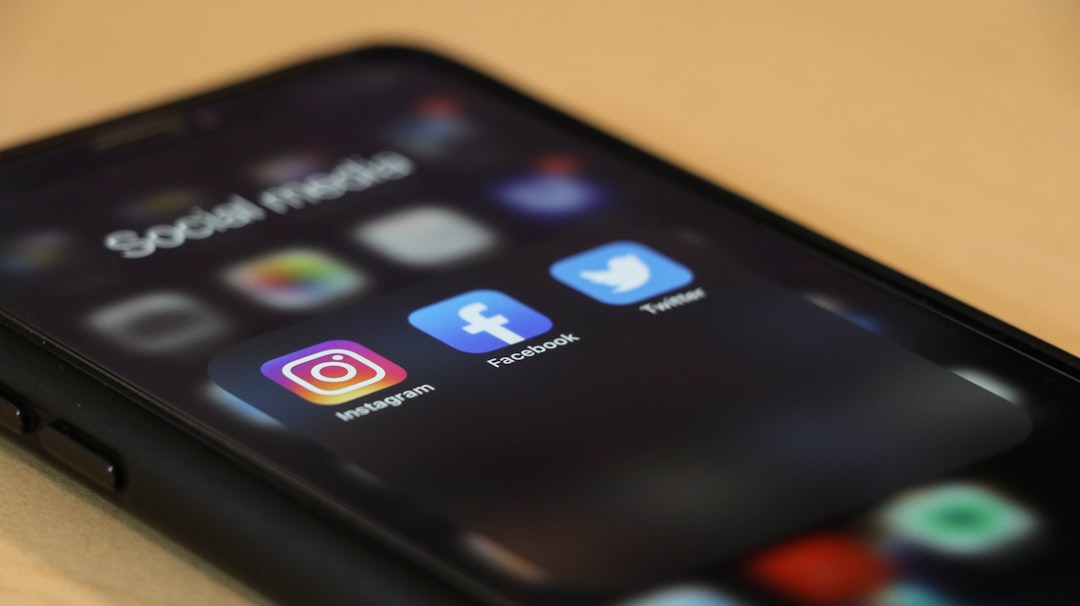
Social media is no longer a side channel for modern brands. It is where customers discover products, compare businesses, ask questions, and form lasting impressions. For companies that want to grow, the right social media strategy can turn casual scrolling into real engagement, qualified leads, and measurable sales. That is why social media marketing services have become such a valuable investment. When managed with clarity and purpose, these services help businesses expand their reach, strengthen credibility, and connect with the people most likely to buy.
Why Social Media Marketing Matters More Than Ever
Consumer attention has shifted dramatically over the past decade. People now spend hours each week on platforms such as Instagram, Facebook, LinkedIn, TikTok, and Pinterest. They use these channels not just for entertainment, but also for research, recommendations, and direct interaction with brands. Businesses that stay active and strategic on social media position themselves where purchase decisions increasingly begin.
Strong social media marketing does more than post attractive images. It builds visibility in crowded markets, reinforces brand identity, and keeps companies relevant in daily conversations. A well-managed presence helps businesses show expertise, respond to trends quickly, and maintain consistent communication with their audience.
For smaller brands in particular, social platforms can level the playing field. With the right content and targeting, a local company can compete for attention alongside larger competitors. This is one reason many owners seek social media marketing for small business as a practical way to reach new audiences without relying solely on traditional advertising.
What Social Media Marketing Services Typically Include
Professional social media marketing services are designed to create structure, consistency, and performance. While offerings vary by provider, the most effective services usually combine creative production with strategic planning and data analysis.
Strategy and audience research
Every successful campaign starts with understanding the market. Service providers identify ideal customer segments, analyze competitors, and define platform-specific goals. This ensures businesses do not waste time posting content that does not resonate.
Content creation and publishing
Consistent, high-quality content is the backbone of social media growth. Services often include post design, short-form copywriting, branded visuals, video concepts, and editorial calendars. The goal is to create a content mix that informs, entertains, and motivates action.
Community management
Social media is interactive by nature. Responding to comments, messages, and mentions promptly can strengthen trust and improve customer satisfaction. Professional management helps brands stay active and responsive without stretching internal teams too thin.
Paid advertising and optimisation
Organic reach remains valuable, but paid campaigns often accelerate results. Social media marketing services may include ad creation, audience targeting, budget control, split testing, and conversion tracking. This allows businesses to move beyond awareness and generate leads or sales more predictably.
- Brand consistency: messaging stays aligned across platforms.
- Time efficiency: internal teams can focus on core operations.
- Performance tracking: analytics reveal what content and campaigns work best.
How These Services Unlock New Business Opportunities
The real value of social media marketing services lies in opportunity creation. They help businesses move from passive online presence to active market growth. Instead of simply being visible, companies can attract the right people at the right stage of the buyer journey.
First, social media opens doors to new audiences. Smart targeting and platform-specific content expose brands to prospects who may never find them through search alone. This is especially helpful for businesses entering new regions, launching products, or speaking to emerging customer segments.
Second, social media helps strengthen trust before a sales conversation even begins. Prospects often review a company’s content, comments, and overall presentation before making contact. A polished and helpful presence signals professionalism. Educational posts, behind-the-scenes updates, and customer success stories can all reduce hesitation and build confidence.
Third, these services support better customer insight. Social platforms offer immediate feedback on what audiences like, share, question, or ignore. That information can shape future offers, messaging, and product positioning. In many cases, social media becomes not just a marketing channel, but also a source of market research.
- Generate awareness among relevant audiences.
- Encourage engagement through useful and timely content.
- Convert interest into website visits, enquiries, and purchases.
- Retain customers with ongoing communication and community building.
When businesses approach social media with this full-funnel mindset, the results become much more meaningful than likes alone.
Choosing the Right Social Media Marketing Partner
Not all social media marketing services deliver the same value. The best partners combine creativity with commercial thinking. They understand that attractive content matters, but results matter more. Businesses should look for providers who ask clear questions about goals, customer profiles, and success metrics from the beginning.
A reliable partner should also tailor the strategy to the brand rather than relying on generic posting schedules. Different industries require different tones, platforms, and campaign structures. A B2B company on LinkedIn needs a very different approach from a fashion retailer on Instagram or a local service provider on Facebook.
Transparency is equally important. Strong agencies or consultants report on growth, engagement, reach, clicks, and conversions in a way that is easy to understand. They also adapt quickly when audience behaviour changes or campaigns underperform.
- Ask about experience in your industry or with similar audience types.
- Review case studies that show measurable outcomes, not just visuals.
- Clarify deliverables including posting frequency, ad management, and reporting.
- Discuss goals such as leads, sales, traffic, or community growth before signing.
The right partnership should feel like an extension of the business, not simply an outsourced task.
Social media marketing services can do far more than maintain an online profile. They help businesses increase visibility, connect with targeted audiences, build trust, and create consistent opportunities for growth. In a market where attention is fragmented and competition is constant, a focused social strategy offers a practical path to stronger brand presence and better commercial results. For companies ready to grow with intent, investing in professional social media support can be the step that unlocks entirely new opportunities.

by Kevin Lewis | May 28, 2026 | Uncategorized
In the Netherlands, digital convenience is not a luxury; it is part of everyday life. We shop online, manage banking through apps, work remotely when needed, and expect media to be available instantly across multiple devices. That is exactly why IPTV has become such a natural fit for the Dutch digital lifestyle. It combines flexibility, variety, and ease of use in a way that aligns with how people in the Netherlands already live, work, and relax. For households that want more control over what they watch and when they watch it, IPTV offers a modern alternative to traditional television that feels built for the connected home.
Why the Dutch Are Ready for IPTV
The Dutch market has long been ahead of the curve when it comes to digital adoption. Fast internet access, widespread smartphone use, and a strong culture of efficient, practical technology use all create the perfect environment for IPTV. People in the Netherlands value services that save time, reduce friction, and work seamlessly across devices. IPTV does exactly that by delivering live channels, movies, and series through the internet rather than relying on older broadcast infrastructure.
This shift matters because modern viewers no longer want to plan their evening around a television schedule. Instead, they expect entertainment to fit into their routine. Whether we are commuting, relaxing after work, or sharing a family night at home, IPTV makes it easy to access content when it suits us. That flexibility is a major reason it aligns so well with the Dutch digital mindset.
A country built for connected viewing
Because the Netherlands has such reliable broadband coverage, streaming quality is rarely a barrier for most households. That makes IPTV especially appealing. It can deliver high-definition viewing with minimal setup, and in many cases, it integrates smoothly with smart TVs, tablets, laptops, and mobile phones. For users who already rely on digital platforms for almost everything else, IPTV feels like a natural extension of daily life.
Convenience, Flexibility, and On-Demand Control
One of the biggest reasons IPTV fits perfectly with the Dutch digital lifestyle is convenience. Traditional cable packages often come with rigid bundles, limited flexibility, and hardware that can feel outdated. IPTV, by contrast, gives viewers more control over their experience. It allows people to watch on the device they prefer, switch between live and on-demand content, and often personalize their viewing setup in ways that conventional TV cannot match.
We live in a time when people want entertainment to be as responsive as their other digital tools. That means easy access, quick navigation, and the ability to pause, resume, or rewatch content without hassle. IPTV delivers that kind of experience while also supporting a wide range of content choices. For families, that can mean fewer arguments over the remote and more freedom for everyone to watch what they enjoy.
- Multiple-device access: watch on smart TVs, phones, tablets, and laptops.
- On-demand viewing: choose what to watch instead of following a fixed schedule.
- Flexible home entertainment: useful for households with different viewing habits.
- Simple digital integration: works well within a modern connected home.
These features matter in a country where efficiency and user experience are highly valued. IPTV removes much of the friction associated with older television models and replaces it with a more adaptable, digital-first solution.
Quality Content That Matches Modern Dutch Expectations
Another reason IPTV resonates in the Netherlands is the expectation of quality. Dutch consumers are accustomed to clean interfaces, fast service, and reliable digital performance. IPTV supports that expectation by offering a streamlined way to access a broad range of content without requiring a complicated installation or a heavy physical setup. It also supports the kind of content diversity that modern households appreciate, from international entertainment to local programming.
For many viewers, language and accessibility are also important. IPTV platforms often make it easier to find channels and content that suit multilingual households, expats, or families with varied entertainment preferences. In a country as internationally connected as the Netherlands, this is a major advantage. We increasingly want services that reflect our diverse lives rather than forcing us into a one-size-fits-all model. IPTV is well positioned to meet that demand.
When people search for a reliable streaming solution, they are often looking for a balance between convenience and content variety. That is where services such as Dutch IPTV become relevant to the conversation, especially for users who want a straightforward path into IPTV without unnecessary complexity. The appeal lies not just in what is available, but in how easily it fits into a modern routine.
Entertainment that feels personal
What makes IPTV especially effective is the sense of personalization. Viewers can build a more tailored entertainment experience, selecting channels and content that reflect their interests rather than paying attention to a long list of channels they never use. This more focused approach is in step with the Dutch preference for practical, efficient digital solutions.
Better Value for a Digital-First Household
Value is another major reason IPTV fits so well into the Dutch lifestyle. Consumers in the Netherlands are typically thoughtful about the services they choose. They want quality, but they also expect transparency and a strong return on what they pay for. IPTV often appeals because it can offer a more customizable and cost-conscious entertainment model than traditional TV packages.
Instead of paying for a large bundle with limited relevance, households can look for a service that better matches their viewing habits. That sense of control is important. It allows people to spend smarter, not just less. In a digital economy where subscriptions are everywhere, IPTV stands out by offering more direct utility: entertainment that is easy to access, easy to use, and easier to adapt to changing needs.
It also supports the broader trend toward simplifying the home technology stack. Many Dutch households already use smart thermostats, connected speakers, and app-based services for daily tasks. IPTV fits naturally into that ecosystem because it is based on the same logic: digital tools should be efficient, accessible, and ready when we are.
Conclusion: IPTV as a Natural Fit for the Netherlands
IPTV is not just another entertainment option. It reflects the way the Dutch already live: connected, practical, and digitally confident. From flexible viewing and device compatibility to broad content access and better value, IPTV aligns closely with the expectations of modern households in the Netherlands. As digital habits continue to shape everyday life, it is easy to see why IPTV has become such a strong match for the Dutch digital lifestyle. It offers the kind of simplicity and control that today’s viewers want, while fitting seamlessly into a country that has fully embraced the digital age.

by Kevin Lewis | May 26, 2026 | Uncategorized
Managing money has always involved choices, but today those choices are more numerous, more complex, and more consequential than ever. Households are navigating inflation, higher interest rates, market volatility, changing tax rules, longer life expectancy, and a retirement landscape that increasingly shifts responsibility onto individuals. In that environment, generic advice rarely goes far enough. What people need is guidance shaped around their goals, risks, income, family structure, and stage of life. That is why personalized financial guidance matters more than ever: it helps turn abstract financial information into practical decisions that fit real lives.
The financial world is more complex than most people have time to manage alone
For many people, the biggest challenge is not a lack of information. It is an overload of it. Financial news is constant, investment products are expanding, and online opinions often conflict with one another. A person may be trying to decide how much to save for retirement, whether to prioritize debt repayment or investing, how to fund a child’s education, how to protect aging parents, and how to prepare for taxes, all at the same time.
These decisions do not happen in isolation. A choice in one area often affects several others. For example, increasing retirement contributions can improve long-term security and lower taxable income, but it may also reduce short-term cash flow. Buying a home may build equity, yet it can limit flexibility if emergency reserves are too thin. Personalized guidance helps connect these moving parts so people can see not just what is possible, but what makes sense for them.
This complexity is one reason broad rules of thumb are less reliable than they once seemed. While general principles remain useful, they cannot fully account for different incomes, career paths, family obligations, business ownership, inheritance considerations, or personal risk tolerance. What works for one household may be inefficient or even harmful for another. Tailored advice adds context, and context is what turns financial planning into a usable strategy.
One-size-fits-all advice often misses the goals that matter most
Personal finance is deeply personal. Two people earning the same salary can have very different priorities. One may want aggressive growth because retirement is decades away. Another may need stability because they plan to buy a home or support dependents soon. One may be comfortable with market swings, while another values predictability and capital preservation. Personalized guidance respects those differences instead of forcing everyone into the same template.
It also helps clarify goals that are easy to overlook. Financial planning is not only about maximizing returns. It is also about creating options, reducing anxiety, and aligning money decisions with values. Some people want to retire early. Others want to build a legacy, support charitable causes, prepare for a special-needs family member, or structure finances around entrepreneurship. As wealth management evolves, more investors are seeking tailored models that were once reserved for ultra-high-net-worth clients, including services discussed in this article on family office service for the new investor.
That shift reflects a broader truth: people increasingly expect financial guidance to be as individualized as other professional services. They want someone to understand not just their portfolio, but their full financial picture. When advice is personalized, it becomes easier to prioritize tradeoffs, set realistic timelines, and stay focused on the outcomes that matter most.
Personalized guidance improves decision-making during uncertainty
Periods of uncertainty are when tailored advice proves its value most clearly. In volatile markets, many investors feel pressure to react emotionally. They may want to sell after a downturn, chase performance after a rally, or abandon a long-term plan because headlines feel alarming. Personalized financial guidance creates a framework for better decisions, especially when emotions are running high.
Good guidance does more than recommend products. It helps people answer important questions such as:
- How much risk is truly appropriate for current goals and time horizons?
- What level of liquidity is needed for emergencies, business needs, or near-term purchases?
- Which tax strategies are relevant based on income, investments, and future plans?
- How should priorities change after marriage, divorce, children, caregiving, or career transitions?
- What actions should be avoided during market stress to protect long-term progress?
When these questions are addressed in advance, people are less likely to make rushed decisions. They have a plan that reflects their reality, not just market sentiment. That can be especially powerful during economic disruption, when confidence often comes from clarity rather than certainty. We may not control the market, but we can build a strategy that prepares for multiple outcomes.
Technology makes information easier to access, but human context remains essential
Digital tools have transformed finance for the better. Budgeting apps, robo-advisors, calculators, and online platforms can make saving and investing more accessible. They can improve visibility, reduce costs, and help automate healthy habits. But access to data is not the same as access to wisdom. Technology can show balances, projections, and performance. It cannot fully understand family dynamics, emotional blind spots, or the tradeoffs behind major life decisions.
This is where personalized guidance remains essential. A skilled advisor or planner can interpret data in context, ask better questions, and help people make decisions that balance numbers with real-world priorities. They can identify gaps that software may miss, such as inadequate insurance, estate planning issues, concentration risk, or the tax impact of future withdrawals. They can also adjust recommendations as circumstances evolve.
The strongest approach is often a blend of both: efficient technology paired with human judgment. That combination allows people to benefit from convenience and analytics without losing the nuance that personal planning requires. As finances become more interconnected, that balance is becoming more valuable, not less.
Better guidance can lead to better long-term outcomes
Personalized financial guidance matters because it can improve both financial results and peace of mind. People who have a clear plan are often more disciplined about saving, more thoughtful about risk, and more resilient when conditions change. They are also better positioned to adapt because their decisions are grounded in a larger strategy rather than short-term noise.
Over time, that can lead to stronger habits, fewer costly mistakes, and a greater sense of control. Financial success is rarely about one perfect move. More often, it comes from making a series of informed decisions consistently over many years. Personalized guidance supports that process by helping people stay aligned with their goals as life changes around them.
In a world full of financial information but short on clarity, tailored advice has become more important than ever. When guidance is built around the individual rather than the average, it becomes more actionable, more relevant, and more effective. That is why personalized financial guidance is no longer a luxury for a few. It is an increasingly essential tool for anyone who wants to make smarter decisions, protect what they have built, and move toward the future with greater confidence.

by Kevin Lewis | May 4, 2026 | Uncategorized
In a crowded marketplace, getting noticed is no longer just about having a great product or a memorable logo. Brands need to communicate quickly, clearly, and consistently wherever their audience is. That is why digital display boards have become such a powerful marketing tool. They combine movement, colour, and real-time messaging in a way that static signage simply cannot match. When businesses use them strategically, they can capture attention, strengthen brand identity, and turn everyday spaces into high-impact marketing opportunities.
Why Digital Display Boards Matter for Modern Branding
Brand visibility depends on repetition, recognition, and relevance. Digital display boards help deliver all three. Unlike printed signs that remain fixed for weeks or months, digital screens allow businesses to update promotions, highlight seasonal campaigns, and tailor messages to specific times of day. This flexibility keeps branding fresh and engaging while ensuring audiences always see the most relevant content.
We also know that people respond strongly to visual stimulation. Bright imagery, short videos, animated text, and dynamic transitions naturally draw the eye. In busy retail stores, reception areas, restaurants, showrooms, and corporate environments, a well-placed digital screen can become the focal point of the space. This immediate attention creates more opportunities to communicate brand values, product benefits, and promotional offers.
Another major advantage is consistency. Brands often struggle to keep messaging aligned across locations and customer touchpoints. Digital boards make that process much easier. A business can standardise visuals, fonts, colours, and campaign messaging across multiple sites, helping customers recognise the brand wherever they encounter it. That consistency builds trust and strengthens brand recall over time.
How Eye-Catching Displays Increase Customer Engagement
Attention is valuable, but engagement is what turns visibility into business results. Digital display boards do more than attract a glance. They encourage customers to pause, learn, and interact with the brand experience. This is especially important in high-traffic environments where businesses have only a few seconds to make an impression.
Engaging content often includes a mix of promotional messaging, storytelling, and useful information. A fashion retailer might showcase new arrivals alongside styling ideas. A restaurant may feature menu highlights, limited-time offers, and customer favourites. A corporate office could reinforce its professionalism with branded welcome messages, service information, and company achievements. In each case, the display helps shape how the audience perceives the brand.
Businesses can also use digital displays to support the customer journey from awareness to action. When screens present concise and persuasive messages, they guide decisions at key moments. A display near the entrance can introduce a promotion, a screen inside the space can explain product value, and another near the point of purchase can encourage conversion. This layered communication helps brands stay visible throughout the entire experience.
- Motion grabs attention: Animated visuals stand out more effectively than static posters.
- Real-time updates keep content relevant: Brands can adapt instantly to promotions, events, or audience needs.
- Strategic placement influences behaviour: Displays positioned in high-visibility areas increase exposure and response.
- Stronger storytelling improves recall: Visual narratives help customers remember the brand long after they leave.
Design Strategies That Make Digital Signage More Effective
Not every digital display board delivers the same impact. Design quality plays a crucial role in whether a screen elevates a brand or becomes background noise. The most effective displays are visually compelling but also clear, simple, and intentional. Overloading a screen with too much text or too many competing messages can reduce its effectiveness.
Strong branding starts with visual consistency. Businesses should use their established brand colours, logo treatments, typography, and tone of voice across all display content. This creates a unified look that reinforces identity and professionalism. High-resolution images and clean layouts are equally important because poor design can undermine credibility, even if the offer itself is attractive.
Message hierarchy matters as well. Viewers should be able to understand the main point within seconds. That means leading with a bold headline, supporting it with one or two concise details, and including a clear call to action. Shorter messages often perform better because they respect the viewer’s limited attention span.
- Keep text brief and readable: Large fonts and concise phrasing improve clarity from a distance.
- Use high-contrast visuals: Strong contrast makes content easier to notice and absorb.
- Prioritise one key message per screen: Focus helps audiences act faster.
- Refresh content regularly: Frequent updates prevent displays from becoming invisible through repetition.
It is also wise to match content style to location. A retail environment may benefit from bold promotional visuals, while a professional office lobby may require a more refined and informative approach. When display design reflects both the brand and the setting, the result feels more authentic and persuasive.
Using Digital Display Boards to Build Long-Term Brand Presence
One of the greatest strengths of digital signage is that it supports both short-term campaigns and long-term brand building. In the short term, businesses can promote sales, launches, and events with speed and precision. Over time, however, these displays do something even more valuable: they establish a brand as visible, current, and customer-focused.
Regular exposure helps audiences become familiar with a business. The more often customers see a brand presented professionally and consistently, the more likely they are to remember it when they are ready to buy. This is especially important for local businesses competing in busy commercial areas. A distinctive digital display can help them stand out from neighbouring brands and create a stronger physical presence.
Digital boards also support agility. Markets change, customer preferences shift, and seasonal opportunities come and go. With digital signage, businesses do not need to wait for new print runs or replace outdated materials manually. They can respond immediately, maintaining a polished and up-to-date brand image at all times.
For multi-location businesses, centralised management can be a major advantage. Brand teams can distribute approved content across different sites, ensuring every screen reflects the latest messaging and visual standards. This not only saves time but also reduces inconsistency, which is a common barrier to strong brand recognition.
Ultimately, digital display boards are more than decorative screens. They are brand assets that shape perception, influence decisions, and create memorable experiences. When businesses invest in thoughtful content, strategic placement, and consistent design, they turn ordinary environments into active marketing channels. In a world where attention is hard to earn, eye-catching digital display boards give brands a practical and powerful way to stay visible, relevant, and impossible to ignore.