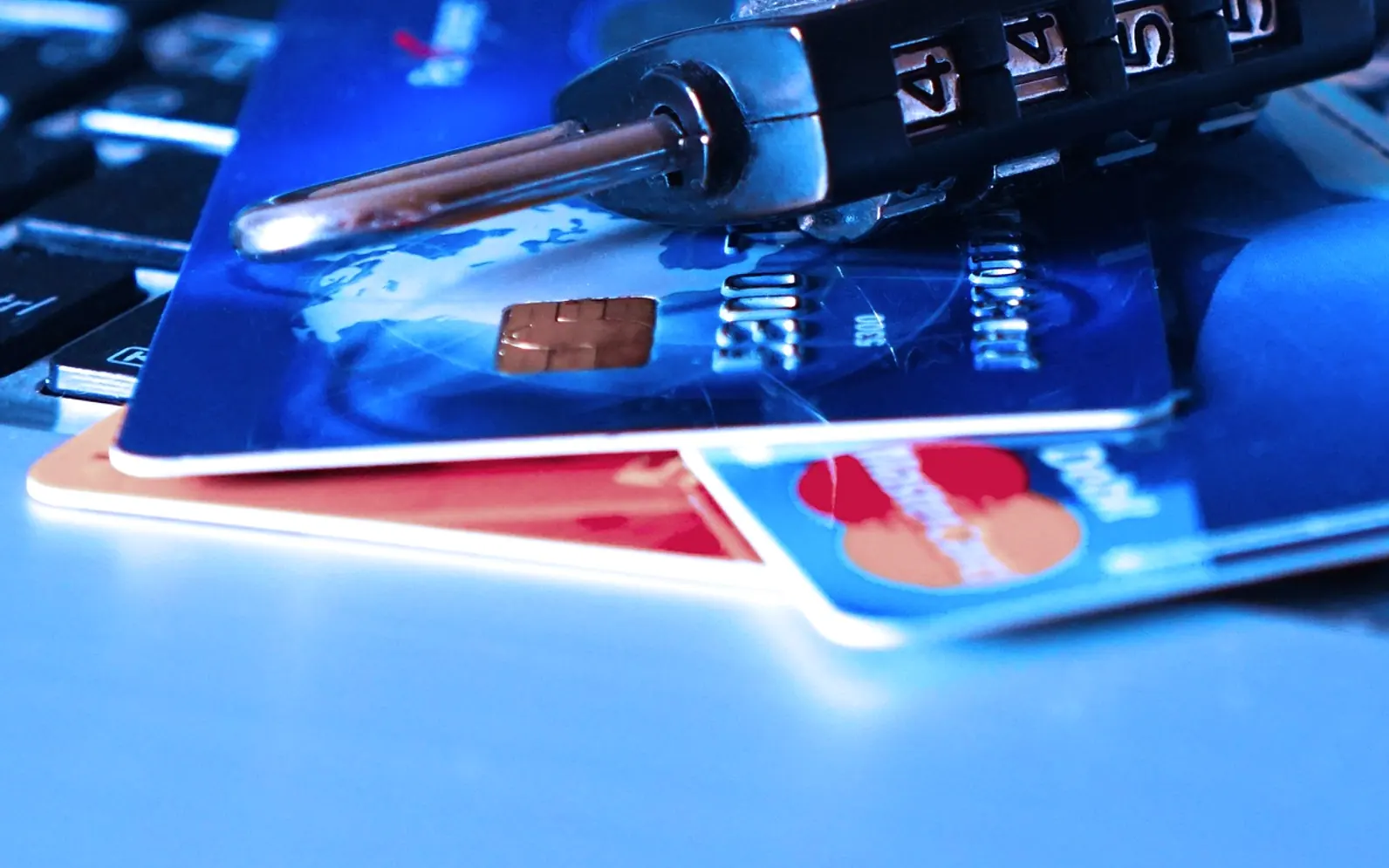
Fake identity documents have become harder to spot by eye. Cheap printers, online templates and better materials mean that a counterfeit card can look convincing across a busy counter. The organisations that check IDs, from bars and shops selling age-restricted goods to banks, car rental desks and online platforms, have responded by layering several methods so that a forgery has to beat all of them at once.
Layer one: physical security features
Genuine documents carry features that are expensive to copy. Ultraviolet light reveals inks and patterns invisible in daylight, which is why a UV lamp remains a standard tool at many counters. Holograms and colour-shifting inks change as the card tilts. Microprinting looks like a plain line until magnification shows it is tiny text. Some cards use raised or laser-engraved elements that can be felt with a fingertip. Staff who know what to look for on the documents they see most often can catch many crude fakes in seconds.
The limitation is that determined counterfeiters keep improving, and some now imitate UV features as well. Manual checks also depend on lighting, time pressure and the experience of the person behind the counter.
Layer two: reading the data
Most modern IDs and passports store information in machine-readable form, whether a barcode, a machine-readable zone or an embedded chip. Scanners can read that data and compare it with what is printed on the front. A mismatch between the printed birth date and the encoded one, or a format that does not match the issuing authority's standard, is a strong warning sign. Chip-based passports add cryptographic signatures that are very difficult to forge.
Layer three: automated verification and face matching
Software now brings these checks together. A user photographs the document, and the system extracts the name, date of birth, document number, nationality and expiry date, tests the layout against templates for that document type and flags signs of tampering. Facial recognition then compares the portrait on the card with a live selfie, often with a liveness test that tells a living face apart from a photo held up to the camera. Businesses that onboard customers remotely find dedicated identity verification software especially useful, since it combines data extraction, document checks and biometric matching in a single workflow that runs in moments.
Layer four: people and process
Technology works best alongside clear procedures. Staff training, a habit of checking every customer rather than guessing ages, and a defined route for doubtful cases all matter. Retailers of age-restricted products benefit from automated age checks because they reduce awkward judgement calls and leave a record that a check took place.
Handling data responsibly
Verification systems process highly sensitive personal information, so organisations should collect only what they need, store it securely and keep it no longer than necessary. Data protection rules differ by country and sector, and legal requirements for identity checks vary too, so a business setting up a new process should speak with a local lawyer or compliance adviser about what applies to it. Combining physical inspection, data reading, automated verification and careful data handling gives the strongest protection against fraudulent IDs without making life harder for honest customers.
Across the sections
Editor’s picks
 TechnologyAI Headshot Generators: The Fast Track to Professional-Looking Photos3 min
 BusinessEnhancing RAG Systems Through User Feedback2 min
 TechnologyWhat Is a Streaming Stick? A Plain Look at the Plug-In TV Gadget4 min
 BusinessFrom Nigeria to the World: Exploring Citizenship by Investment Programs Abroad3 min
Spotted a mistake?
Suggestions help us plan.