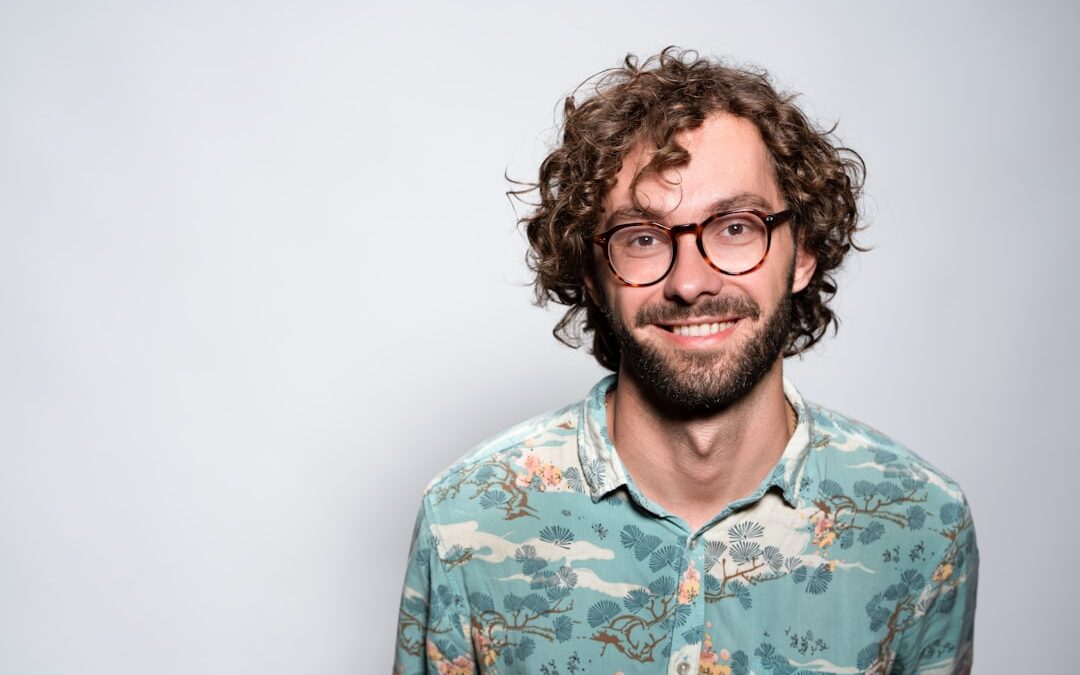
Professional headshots have long been an important part of building trust online, but traditional photo sessions can be expensive, time-consuming, and difficult to coordinate. That is why AI headshot generators are rapidly becoming a practical solution for professionals, founders, job seekers, and entire teams. Instead of booking a studio, planning outfits, and waiting days for edited images, users can now create polished, business-ready portraits in a fraction of the time. As remote work, digital hiring, and personal branding continue to grow, AI-generated headshots are making high-quality imagery more accessible than ever.
What AI Headshot Generators Do
An AI headshot generator uses machine learning to transform everyday selfies or uploaded photos into refined portraits that resemble professionally shot images. These tools analyze facial structure, lighting, background composition, and image quality to create new headshots that look clean, natural, and suitable for platforms like LinkedIn, company websites, email signatures, and conference bios.
The appeal is simple: users do not need advanced photography skills or expensive equipment to get a strong result. In many cases, a handful of clear source photos is enough to generate multiple looks, including different outfits, backgrounds, crops, and lighting styles. This gives users flexibility that a single studio session may not provide without additional cost.
For individuals, that means a faster path to a polished online presence. For businesses, it means a scalable way to standardize employee profile photos across departments and locations. AI headshot tools are becoming increasingly valuable for distributed organizations and growing companies, especially for HR and ops teams that need a consistent visual identity without the logistics of scheduling a photographer for every new hire.
Why Businesses and Professionals Are Adopting Them
Speed is one of the biggest advantages of AI headshot generators. A traditional photoshoot can involve calendar coordination, travel, wardrobe planning, retouching, and approval cycles. By contrast, AI tools can produce usable images in hours rather than days or weeks. For busy professionals, that convenience matters.
Cost is another major factor. Studio photography remains valuable, but it is not always practical for every situation. Startups, small businesses, consultants, and job seekers often want high-quality headshots without a large upfront investment. AI generators offer a lower-cost alternative that still supports a professional brand image.
Consistency also matters more than ever. Teams that appear on company websites, sales collateral, and internal directories benefit from a unified visual style. AI-generated headshots can help create that consistency across locations, job roles, and onboarding cycles. This is particularly useful for organizations hiring remotely or maintaining global teams where in-person photo sessions are difficult to arrange.
There is also a strong personal branding advantage. A clear, confident headshot can improve first impressions on LinkedIn, portfolio sites, speaker pages, and social profiles. In competitive fields, visual presentation supports credibility. While talent and experience always matter most, a strong headshot can reinforce professionalism and approachability in a crowded digital environment.
How to Get the Best Results from an AI Headshot Generator
Not every AI-generated portrait will look equally convincing, so input quality matters. The best results usually come from uploading several high-resolution photos with varied angles, natural expressions, and decent lighting. Blurry, heavily filtered, or poorly cropped images can limit the model’s ability to create realistic outputs.
Users should also think carefully about the style they want. A headshot for a corporate leadership profile may need a neutral background, formal attire, and understated editing. A creative entrepreneur might prefer a more modern look with softer lighting or a slightly more expressive portrait. The strongest AI tools allow users to choose from a range of styles while keeping the final image believable.
It is equally important to review outputs critically. A useful AI headshot should still resemble the person. If facial features appear distorted, over-smoothed, or inconsistent, it is worth regenerating the images or trying a different input set. The goal is not to create an unrealistic version of someone, but to present them at their professional best.
Privacy should also be part of the decision. Reputable platforms explain how uploaded images are stored, processed, and deleted. For companies handling staff photos at scale, data security and clear usage terms are essential. Choosing a provider that is transparent about privacy can help reduce risk while preserving convenience.
What to Look for When Choosing the Right Tool
The best AI headshot generator is not always the one with the flashiest marketing. It is the one that consistently produces realistic, flattering, and professional images for the intended use case. When comparing options, users should pay attention to image quality, turnaround time, pricing, customization, and ease of use.
Realism should come first. A headshot that looks overly artificial can undermine trust rather than strengthen it. Good tools preserve natural skin texture, facial proportions, and eye detail while improving overall polish. It is also helpful to look for services that offer multiple output formats or styles so users can choose images for different platforms.
Workflow matters too. For individuals, a simple upload-and-generate experience may be enough. For businesses, admin controls, team onboarding support, and repeatable brand styling may be more important. Companies often benefit from tools that can handle multiple users efficiently while maintaining a consistent appearance across all final photos.
Customer reviews and sample galleries can be useful indicators of performance, but they should be assessed carefully. The strongest providers usually show a range of realistic examples rather than only highly curated, best-case images. That transparency helps set expectations and gives buyers a better sense of what they will receive.
AI headshot generators are not replacing every photographer or every studio session, but they are reshaping how professional portraits are created. For many people and organizations, they offer a smart balance of quality, speed, and affordability. When chosen carefully and used thoughtfully, these tools provide a fast track to professional-looking photos that support hiring, branding, networking, and online credibility. As digital identity becomes more important, AI headshots are likely to remain a practical and increasingly trusted part of the modern professional toolkit.