ExplainedTechnology
AI Headshot Generators: The Fast Track to Professional-Looking Photos
How AI headshot generators turn everyday selfies into polished portraits, how a company can roll them out with consent, and how to judge realism honestly.
3 min read
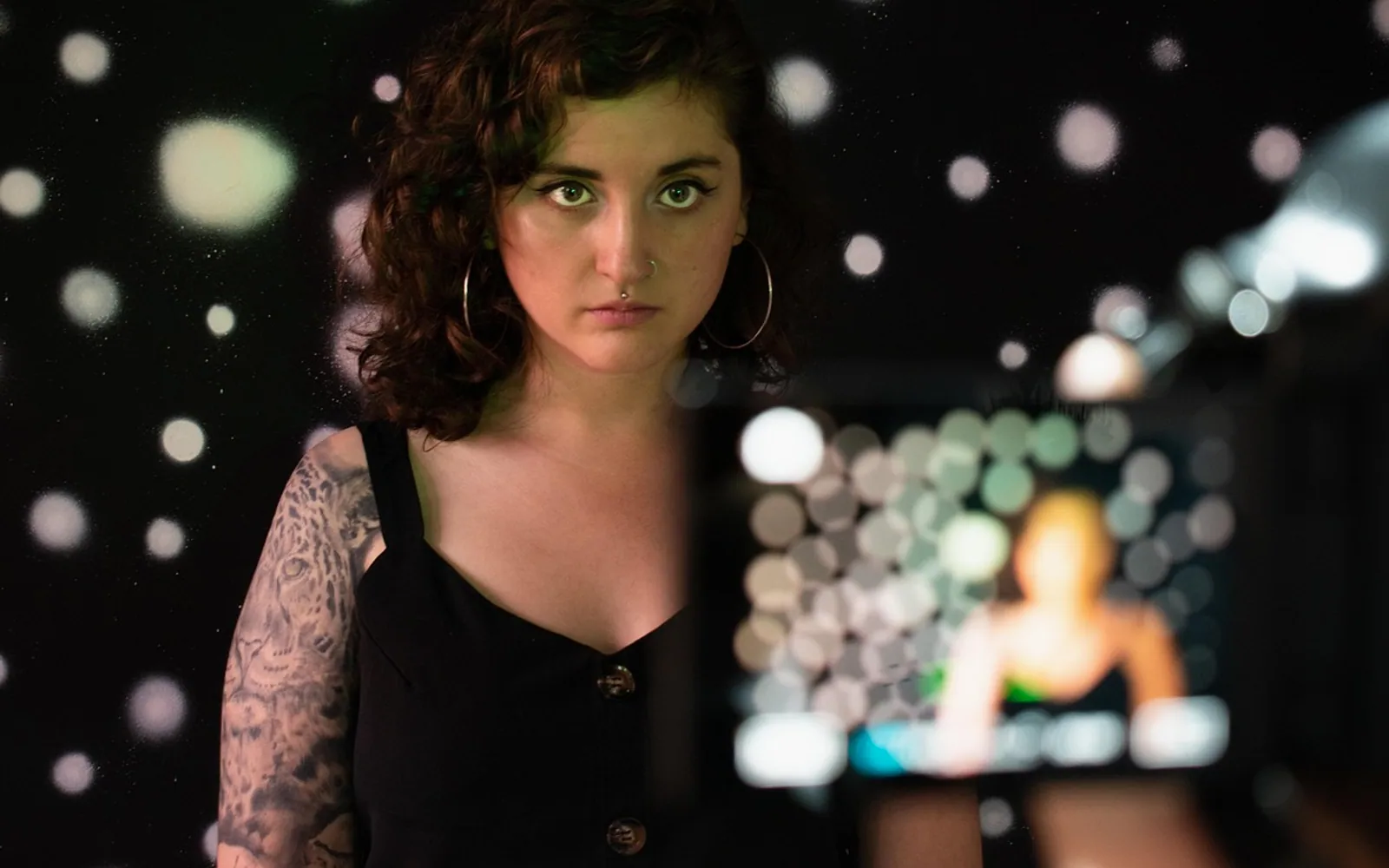
A profile photo is often the first thing a recruiter, client or new colleague sees, yet organising a proper portrait session has always been awkward. Diaries clash, the photographer is booked for one afternoon, and anyone who joins a month later ends up with a cropped holiday snapshot. AI headshot generators offer a different route: a set of ordinary photos goes in, and a selection of polished, studio-style portraits comes out.
How the process works
The user uploads a handful of sharp pictures shot under varied lighting and from a few viewpoints. The software studies the face across those images, then produces new portraits with chosen backgrounds, clothing styles and lighting. Because the model has seen the person from several sides, the better tools keep the likeness while improving the overall finish. The result is a batch of options rather than a single frame, which makes it easy to choose one image for a professional network and another for a speaker page or an email signature.
Why companies are paying attention
For individuals the appeal is convenience. For organisations it is consistency at scale. A team spread across cities or countries can end up with matching backgrounds and framing on the website and in the internal directory without anyone travelling to a studio. That makes these tools useful especially for HR and ops teams, who handle onboarding and like the idea of giving every new hire a polished, on-brand portrait from the first week.
Speed matters as well. Instead of waiting for retouched files, people can have usable images within hours. Startups, consultants and job seekers often value that flexibility because it supports a professional presence without organising a shoot.
A simple rollout for a team
- Agree on a house style. Decide on background colour, crop and level of formality so every portrait fits together.
- Explain consent and data handling. Staff should know where their photos go, how long the provider retains them and how to ask for deletion. Pick a provider that states this plainly.
- Share capture tips. Daylight from a window, a plain wall, no heavy filters and a few different expressions give the model better material.
- Let people choose. Each person should pick their own final image and be free to turn down any result.
- Review for accuracy. Reject outputs that smooth away character, alter features or make someone look like a different person.
Judging quality honestly
The test of a good AI headshot is recognition. If a colleague would hesitate to match the photo with the person on a video call, the image has gone too far. Natural skin texture, believable eyes and hair, and realistic lighting matter more than glossy perfection. Sample galleries help, but it is worth looking for a range of everyday examples rather than a handful of flawless showcase images. Pricing, turnaround, admin controls for teams and the number of styles included are the practical factors to compare once realism is settled.
Where traditional photography still fits
Studio portraits remain the better choice for some situations, such as press kits, book covers or any creative brief that calls for a particular mood. Many organisations will use both: a photographer for leadership or campaign images, and an AI tool for everyday profile pictures that need to be fresh, consistent and quick to update. Used with care and clear consent, the technology simply removes much of the friction from looking professional online.
Across the sections
Editor’s picks
- TechnologyAI Headshot Generators: The Fast Track to Professional-Looking Photos3 min
 BusinessEnhancing RAG Systems Through User Feedback2 min
 TechnologyWhat Is a Streaming Stick? A Plain Look at the Plug-In TV Gadget4 min
 BusinessFrom Nigeria to the World: Exploring Citizenship by Investment Programs Abroad3 min
Spotted a mistake?
Suggestions help us plan.
Also explained in Technology
 Creator Studio
Dynamic vs Condenser Microphone: Choosing and Setting Up a Podcast Mic
5 min Creator Studio
What Is Frame Rate? 24, 30 and 60 fps for Video Made Clear
5 min Gaming
What Is Input Lag? Why Your Game Feels a Beat Behind
3 min- Technology
What Is a Streaming Stick? A Plain Look at the Plug-In TV Gadget
4 min  Internet
What Is Mbps? Internet Speed Numbers Made Simple
4 min Technology
Exploring IPTV Technology: Transforming the Way France Watches TV
2 min