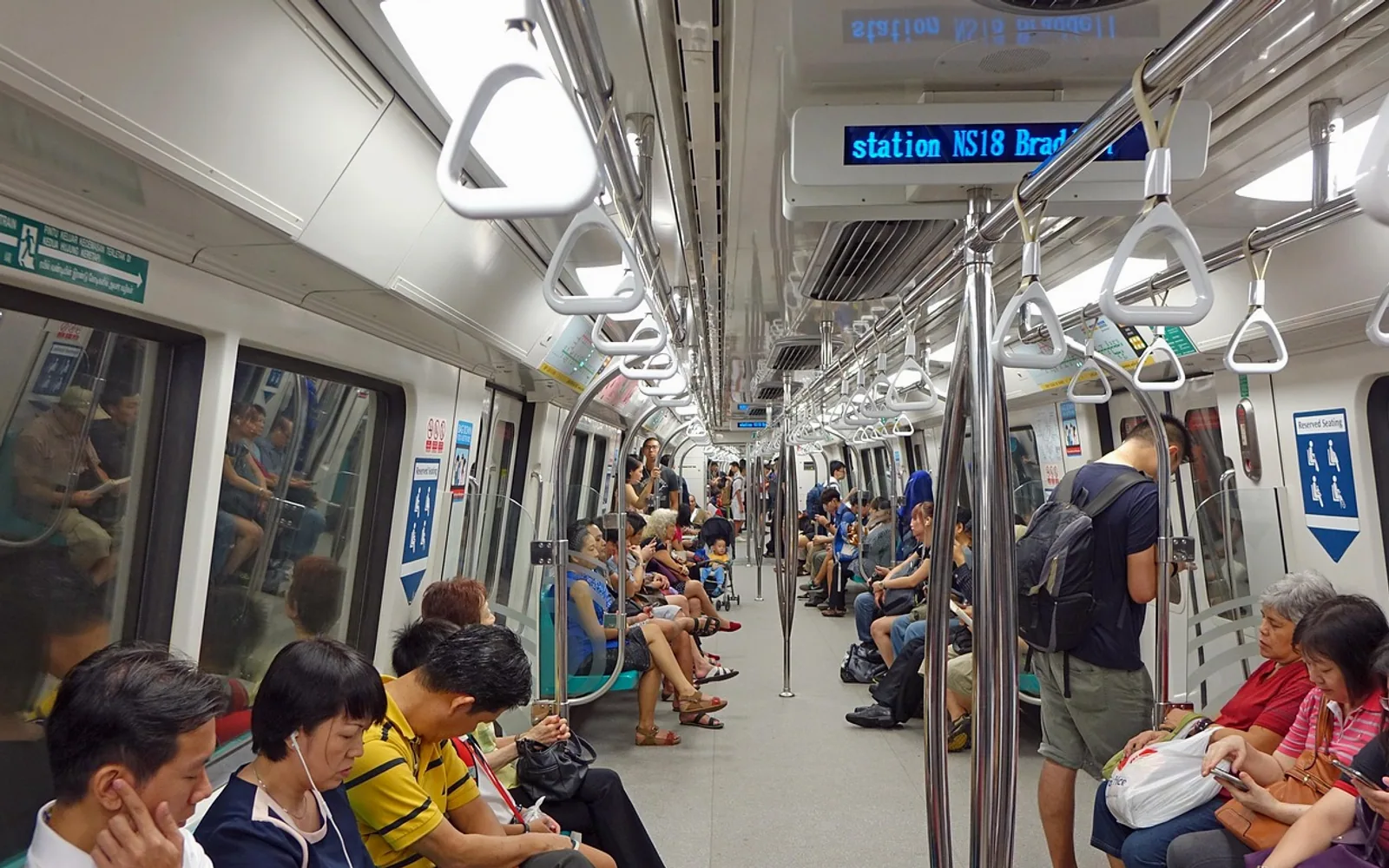
Ask Singapore homebuyers what they check first after price and size, and the answer is often the walk to the nearest station. The city's steady investment in rail and bus links has turned transport maps into a practical tool for anyone comparing neighbourhoods. Understanding how those links influence demand helps buyers ask sharper questions, though it never removes the need for careful judgement.
Rail lines redraw the mental map
When a new MRT line opens or an existing one is extended, places that once felt distant suddenly sit a short ride from the city centre. The Thomson-East Coast Line is a familiar example: as its stages open, it links northern estates with central and eastern districts, and residents along the route gain direct access to jobs, schools and shopping. Homes within a comfortable walk of a station are often in strong demand from both owner-occupiers and tenants because they cut daily travel time.
That said, a station on a plan is not the same as a station in service. Buyers should note expected opening phases, the construction period nearby and whether the stop sits on an interchange or a single line.
Buses fill in the gaps
Rail gets the headlines, but improved bus routes and frequencies matter just as much for estates between stations. Better feeder services shorten the first and last part of a commute, which can make an area feel far more convenient than its distance from the nearest MRT suggests. Checking route frequency during peak hours is a simple test that many buyers overlook.
Transit-oriented hubs
Singapore planners increasingly cluster homes, offices, retail and community facilities around transport nodes. These mixed-use hubs allow residents to run errands, reach the gym and catch a train without driving. For households thinking about life without a car, that design can be a real draw. Buyers comparing these projects often start with a listing site such as New Launch 2024, which collects fresh condominium launches together so buyers can quickly spot the developments sitting near current or upcoming stations.
A buyer's transport checklist
- Walk the route from the lobby to the station at rush hour, not on a quiet Sunday.
- Look up which lines the station serves and where they connect.
- Check bus services and their frequency for trips the household makes most.
- Ask about noise, dust and road closures during nearby construction.
- Consider how the location suits each family member, not only the main commuter.
Keeping expectations grounded
Good connectivity can support demand, yet property prices also respond to interest rates, government cooling measures, supply in the area and the wider economy. A home near a new station can still fall in value, and rental income is never certain. Treat transport as one factor among many.
Before committing to a purchase, buyers do well to seek independent advice, for instance from a mortgage specialist, the conveyancing lawyer and a registered agent with no stake in the sale, and to work through the numbers under less favourable scenarios as well as the hopeful ones.
Across the sections
Editor’s picks
 TechnologyAI Headshot Generators: The Fast Track to Professional-Looking Photos3 min
 BusinessEnhancing RAG Systems Through User Feedback2 min
 TechnologyWhat Is a Streaming Stick? A Plain Look at the Plug-In TV Gadget4 min
 BusinessFrom Nigeria to the World: Exploring Citizenship by Investment Programs Abroad3 min
Spotted a mistake?
Suggestions help us plan.
Also explained in Household
 Household
Living Room Setup for Winter Evenings: Light, Sound, Warmth and a Ready Screen
5 min Creator Studio
Three-Point Lighting for Video Calls: Key, Fill and Back Light at Home
5 min Household
How Do Smart Plugs Work? A Plain Guide for Everyday Rooms
3 min- Technology
What Is a Streaming Stick? A Plain Look at the Plug-In TV Gadget
4 min  Internet
What Is a Powerline Adapter? Wired Internet Through the Wall Socket
4 min Household
DIY Move or Professional Movers? How to Choose the Right Option
3 min