ExplainedFinance
Protecting Your Dog's Health: Insurance Options for Pet Owners in Singapore
How Singapore dog owners can think about pet insurance at each life stage, from puppy to senior, what policies tend to cover and the fine print to read.
2 min read
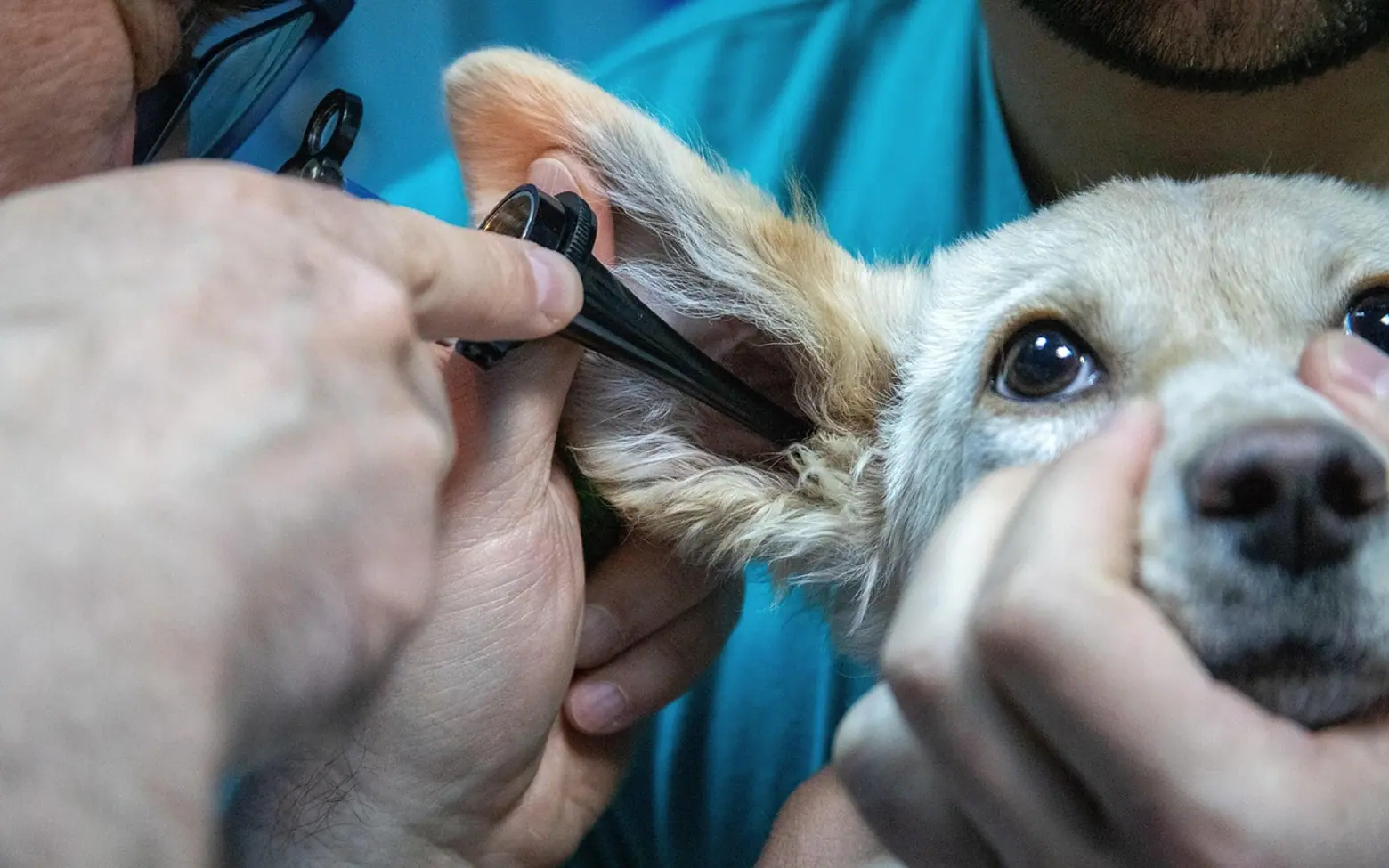
A dog's needs change a great deal between the first weeks at home and the slower senior years. So do the questions an owner should ask about insurance. Thinking about cover in stages, rather than as a single decision made once, makes it easier to choose a policy that still fits years later.
The puppy months
Young dogs are curious, quick and prone to swallowing things they should not. Accidents and sudden illnesses are the main worries at this stage, along with the vaccinations and check-ups every puppy needs. Insuring early also matters for another reason: many policies exclude pre-existing conditions, so cover taken out before any health issues appear tends to be broader. Owners comparing plans for dog insurance Singapore can use a dedicated overview like this to see the main policy types side by side and understand how each one treats accidents, illness and routine care.
Adult years: what policies usually include
Once a dog settles into adulthood, the focus shifts to unexpected events. Policies in Singapore commonly offer some combination of the following, though details vary between insurers:
- Accidents: treatment after injuries from falls, fights or road incidents.
- Illness: diagnosis and care for conditions that develop after the policy starts.
- Operations and inpatient care: surgery plus recovery days at a veterinary clinic.
- Routine care: sometimes offered as an add-on for vaccinations or wellness checks.
Breed matters too. Some breeds are more prone to joint, skin or breathing problems, and certain policies limit cover for these hereditary conditions. Checking how a plan treats your dog's breed is worth the extra few minutes.
Senior dogs
Older dogs often need more frequent vet visits and longer-term care. Some insurers set age limits for new policies or adjust premiums as a dog ages, so switching providers late in life may be harder. For an older dog, continuity and clear terms on chronic conditions can matter more than a low starting price.
Reading the fine print
| Term to check | Why it matters |
|---|---|
| Exclusions | Shows what will never be paid, such as pre-existing issues |
| Annual and per-condition limits | Caps how much a policy pays over time |
| Excess or co-payment | The share of each bill the owner pays |
| Waiting periods | When cover actually begins after purchase |
| Renewal terms | Whether conditions stay covered from year to year |
Keeping perspective
Insurance can soften the blow of an unexpected vet bill, but it does not cover everything, and premiums are a regular cost whether or not a claim is made. Some owners prefer to set aside savings for vet care instead, or combine a modest policy with an emergency fund. Comparing several insurers, reading the full policy wording and asking an independent adviser when unsure are sensible steps before signing up.
Above all, insurance supports good care rather than replacing it. Regular check-ups with a trusted vet, a suitable diet and plenty of exercise remain the foundation of a healthy dog, and your vet is the right person to ask about any change in your dog's health or behaviour.
Across the sections
Editor’s picks
 TechnologyAI Headshot Generators: The Fast Track to Professional-Looking Photos3 min
 BusinessEnhancing RAG Systems Through User Feedback2 min
 TechnologyWhat Is a Streaming Stick? A Plain Look at the Plug-In TV Gadget4 min
 BusinessFrom Nigeria to the World: Exploring Citizenship by Investment Programs Abroad3 min
Spotted a mistake?
Suggestions help us plan.