ExplainedInternet
Why IPTV Fits Perfectly With the Dutch Digital Lifestyle
How internet TV suits life in the Netherlands: dense broadband, compact homes, English-language viewing, shared flats and a taste for practical solutions.
2 min read
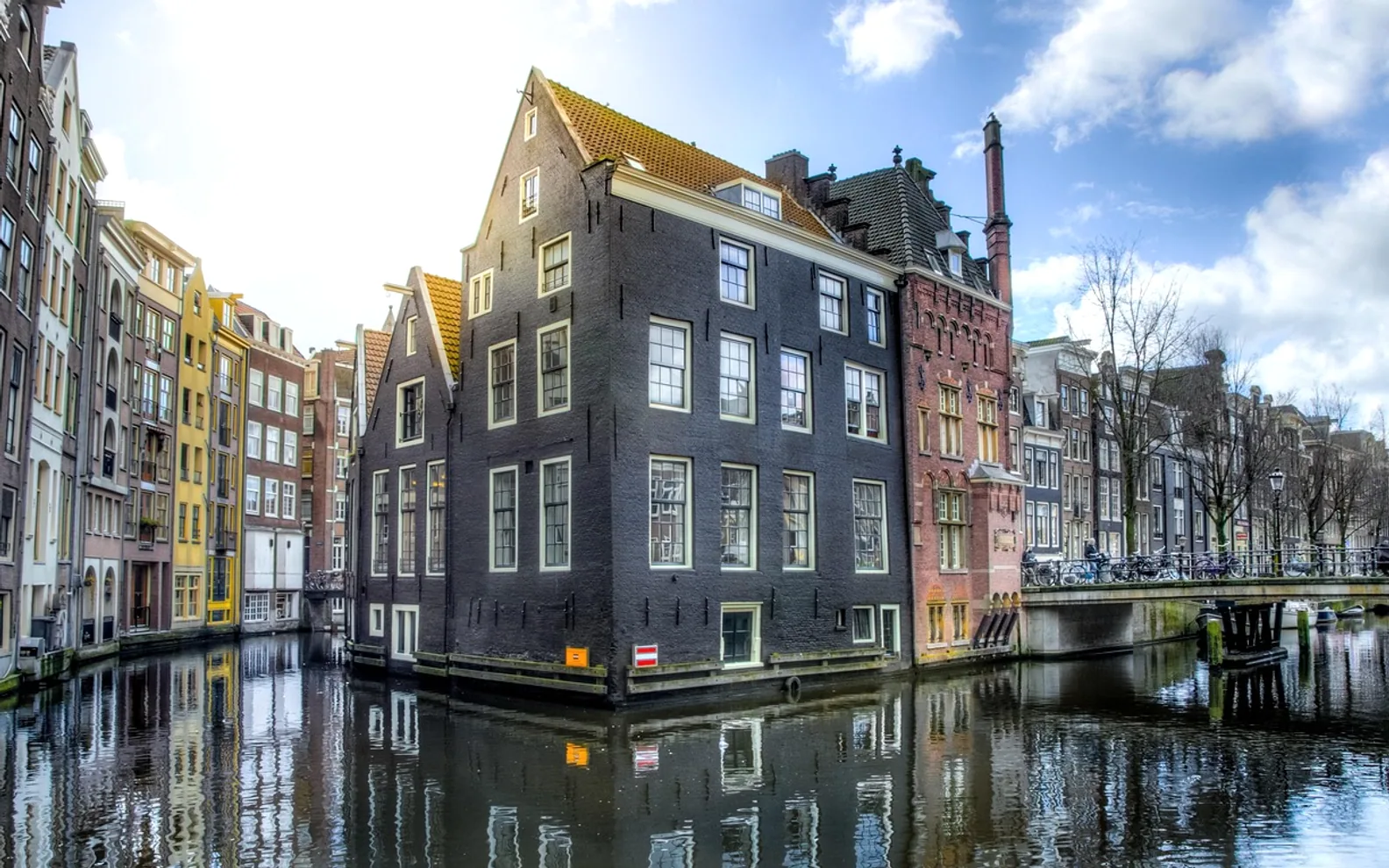
The Netherlands has a reputation for doing things sensibly. Bikes instead of traffic jams, banking in an app, appointments booked online in a minute. Television has followed the same path. For many Dutch households, the idea of a fixed broadcast schedule feels oddly old-fashioned, and internet-delivered TV has slotted into daily routines with very little fuss.
Connected almost everywhere
Broadband coverage across the country is dense, and fibre has reached many towns as well as the big cities. That makes stable, high-definition streaming realistic not just in Amsterdam or Utrecht but in smaller places too. When the connection is rarely the bottleneck, the question shifts from "can we stream?" to "what is the most convenient way to watch?"
Small homes, many screens
Dutch homes are often compact, and many people live in flats or terraced houses where space for extra equipment is limited. IPTV fits that reality: no dish, no additional cabling and often no separate decoder in every room. The big screen by the sofa, a laptop at the dining table and a phone on the tram can share one subscription.
- One account that follows each person across devices
- Pause and resume across screens
- Profiles for different household members
- Easy setup without an engineer visit
A multilingual audience
Many people in the Netherlands watch programmes in English as easily as in Dutch, and Dutch society includes sizeable Turkish, Moroccan, Surinamese, Indonesian and Polish communities, plus a growing number of international workers and students. A single national channel lineup cannot serve all of them. Internet television can place NPO, commercial Dutch stations and foreign channels side by side, so each household builds the mix it needs.
For viewers who want a broad selection in one place, Dutch IPTV services bring together local channels, sport and international programming, with apps that work on the smart TVs and phones people already own.
Practical choices for a practical country
Dutch consumers tend to compare before they commit, and the same approach works here. Useful questions include:
- Does the service run smoothly on the devices in the house?
- Do parallel streams cover everyone at home?
- Are replay and recording included?
- Can the plan be changed or cancelled easily?
- Can the helpdesk be reached in Dutch or English?
One more filter belongs on that list: only services cleared to distribute their line-up on Dutch territory. Rights-cleared platforms stay stable, and the money reaches the makers of the shows.
A natural match
IPTV did not have to change Dutch habits; it simply caught up with them. In a country that values efficiency, good connections and flexible routines, watching television over the internet is less a trend than the obvious next step, one that suits busy weekdays, shared flats and lazy Sunday evenings alike.
Across the sections
Editor’s picks
 TechnologyAI Headshot Generators: The Fast Track to Professional-Looking Photos3 min
 BusinessEnhancing RAG Systems Through User Feedback2 min
 TechnologyWhat Is a Streaming Stick? A Plain Look at the Plug-In TV Gadget4 min
 BusinessFrom Nigeria to the World: Exploring Citizenship by Investment Programs Abroad3 min
Spotted a mistake?
Suggestions help us plan.